

Entertainment
Comparison: Paparazzi Photos vs. Official Press Photos — What Each One Tells You
September 22, 2026
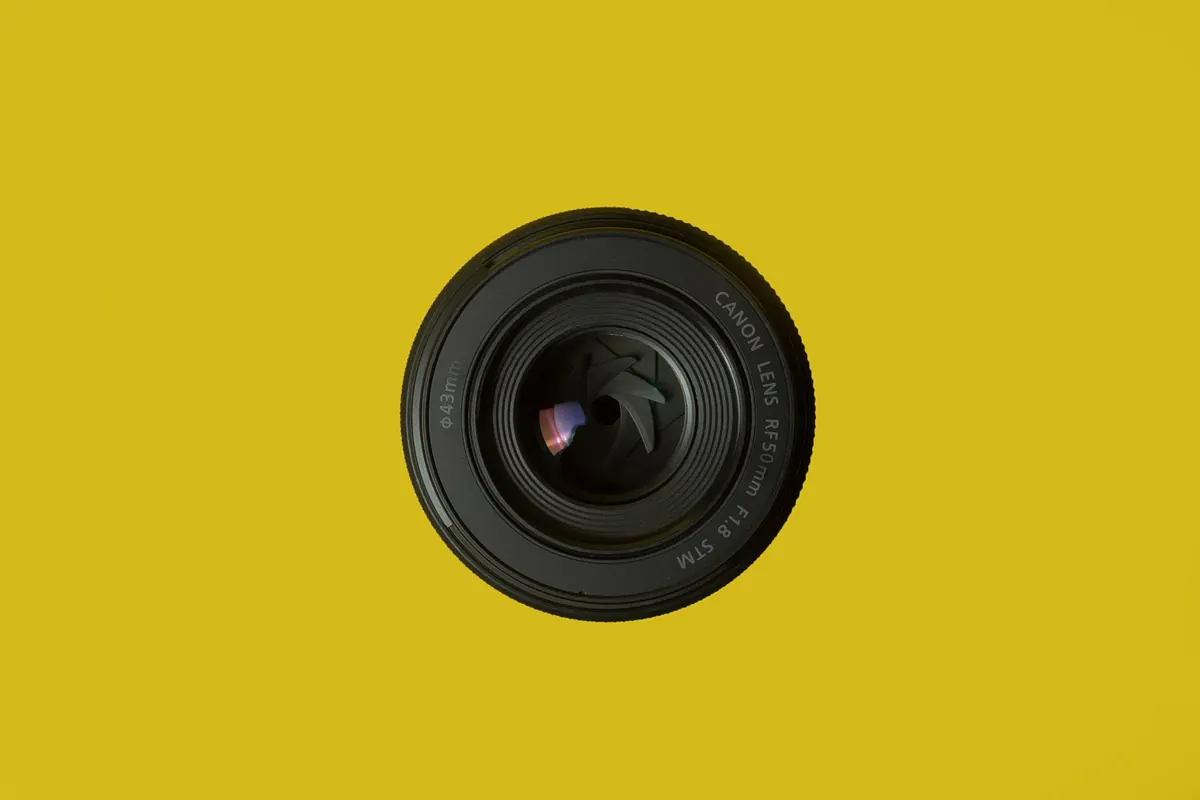
A photograph of a famous person is never just a photograph. It is a run of decisions: where to stand, when to press the shutter, what to leave outside the frame, which of forty near-identical shots gets sent to an editor. Change those decisions and you change the story. A candid picture of a singer leaving a gym and an official portrait from an album launch can both be completely real, and still tell you entirely different things. Learning to read the difference takes a few minutes of practice and saves you from swallowing a lot of nonsense.
The Two Genres, and Why They Rarely Agree
Paparazzi pictures are made without permission. The photographer waits, follows, shoots from a distance with a long lens, then sells the results to a picture agency, which licenses them onwards to papers, magazines and websites. Speed matters more than polish. A usable frame filed within the hour is worth more than a beautiful one filed tomorrow.
Official press images work the other way round. A film studio, record label, fashion house or charity either invites photographers to an event or hires one directly. There is a brief, sometimes a shot list, and often a publicist nearby checking who is on the step-and-repeat board. The final image is distributed through a wire service or press office with the caption already written for you.
Neither is neutral. Neither is automatically dishonest either. They simply answer different questions. The pap shot answers: what does this person look like when they are not performing for a camera? The official shot answers: what does this person want you to see?
Light Tells You Who Was in Charge
Look at the light before you look at the face. Available light is unpredictable. It gives you grain in a doorway at dusk, mixed orange from streetlamps, motion blur on a turning head, and that flat, slightly shiny look of an on-camera flash fired from thirty metres away. Skin goes waxy, shadows land hard on the wall behind, and everyone in the background is lit exactly as brightly as the subject, because there is only one light source and it is attached to a camera.
Controlled light is the opposite. Studio strobes, softboxes, a bounce card, a careful ratio between key and fill — the subject is separated from the background, the skin tone is even, the whites are white. Somebody planned this. Somebody had time.
Giveaways of an unposed frame
- Caught mid-blink, mid-word or mid-chew
- Hair blowing across the face, coat half on, bag slipping off a shoulder
- Eyes fixed on someone or something outside the frame
- Something ordinary in hand: a coffee, car keys, a dog lead
- Composition that is slightly off, because the photographer was moving too
Giveaways of a set-up
- Everyone evenly spaced, all facing the same direction
- Logos angled neatly towards the camera; drinks, phones and handbags turned label-out
- The walk-and-look-back: three steps forward, turn, hold, smile
- Two people posed at a distance that reads as intimate but leaves room for a lens
- Identical lighting across several different outfits, shot minutes apart in the same spot
Use light as a clue, not a verdict. A long-lens shot taken on a sunny beach can look gorgeous, and a rushed official photo in a corridor can look grim. Pair the lighting with the body language.
Context: What the Frame Includes, and What It Cuts
The crop is an argument. A tight shot of two people leaning towards each other at a party suggests something. Widen it and you find twenty other guests, a waiter and a birthday cake. Neither version has been faked, but only one of them is telling you what the room was actually like.
Read the edges of an image, because that is where the useful information hides. Whose arm is in shot? Which door did they come out of? Is a publicist standing just out of the light, checking a phone? Is there a reflection of a photographer in a window? Who is carrying the bags? If a picture looks as though it was taken in the middle of a private moment, ask who else was in the room.
Timing: One Frame Versus Forty
Agencies rarely sell a single paparazzi image. They sell a set, and an editor picks the one that suits the headline. That is how a friendly conversation becomes a blazing row: one frame captures a frown while someone is mid-sentence, and the caption does the rest. Press events produce the reverse problem. Hundreds of frames land on a picture desk, most of them nearly identical, and the one that gets chosen and retouched is the one the world ends up seeing.
Practical tip: if a headline claims someone "looks furious", check the mouth. An open mouth usually means a word, not a mood. A squint usually means sun. A downward glance usually means steps.
The Paperwork Behind an Official Image
Official pictures come with conditions. Picture desks may be asked to hold an image until a set date or time, to use an approved crop, or to credit a specific photographer. Retouching is normal and usually modest, though it varies wildly. Captions are written by a person with a job to do, and the phrasing gives them away.
Compare the verbs. "X attends the opening of Y" is neutral and factual. "X is seen leaving a restaurant" is quietly admitting that nothing is known beyond the fact of a door and a person. "X steps out", "X flaunts", "X shows off" — those are opinions wearing a press badge. Read the caption as carefully as you read the photograph.
A Quick Checklist for Reading Any Celebrity Photo
- Who benefits? Follow the credit line to the agency, wire service or press office, then ask who wanted this image to exist.
- Was there permission? Posed, spaced, well-lit and logo-forward points to an invitation. Grainy, blurry and mid-stride points to a stakeout.
- What is outside the frame? Assume there is always something.
- Is it one shot or part of a sequence? Look for other images from the same day before you believe the expression.
- What is the caption doing? Strip out the adjectives and see what is actually being claimed.
- Do the outlets agree? If three sites use the same picture and one uses a very different one, that difference is the story.
Putting It to Use
Next time a photo of a well-known face lands in your feed, give it ten seconds before you react. Ask what kind of picture it is, who took it, and what it leaves out. Notice the light and the level of tidiness: a coat hanging straight usually means a photographer was expected, while a lanyard caught mid-swing usually means nobody was.
Then compare the same event across two or three outlets. The gap between their choices tells you more than any single image can. Both genres are capable of honesty. Both are capable of spin. The trick is knowing which one you are looking at, and reading it for what it is rather than what the headline insists it means.
Photo: Ivan Babydov / Pexels
Related posts
More stories you’ll love reading