




Celebrity
Beginner's Guide to Following British Reality TV Stars Without the Rumour Mill
September 16, 2026
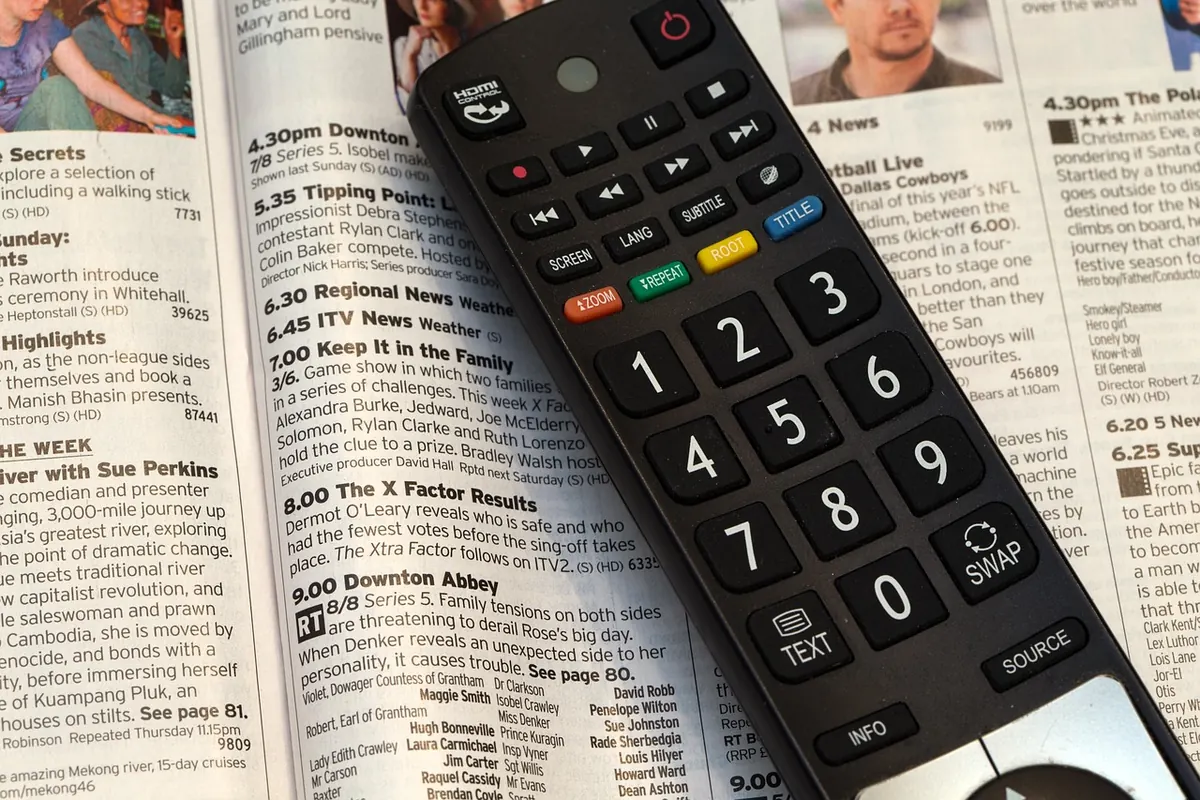
British reality television turns ordinary people into public figures at speed, and the writing about them arrives even faster. Some of it is careful reporting. A good deal of it is a screenshot of a screenshot with a question mark on top. If you want to keep up with the casts of Love Island, The Traitors, Made in Chelsea, Big Brother or Strictly without swallowing nonsense along the way, you do not need to read less. You need to change where you start.
Start with the accounts the stars actually control
Most British reality stars run their own Instagram, TikTok, X or YouTube accounts, and those are the closest thing to a primary source you will get for nothing. If someone announces an engagement, a new series, a tour or a split, the post itself is the announcement. Everything else is commentary.
The problem is that plenty of accounts look official without being connected to the person at all. Fan pages borrow profile pictures, copy the same handle pattern, and post in the same breathless style. Before you trust one, check three things: what the bio says about who runs it, whether the person's other accounts tag it back, and whether the programme's own official account tags the person directly. A verification tick is a weaker signal than it used to be, so treat it as one clue rather than proof.
Worth remembering, too, that a genuine post is only evidence of what somebody chose to publish. A smiling holiday photo tells you there was a holiday. It does not tell you who paid for it, who else was there, or what happened afterwards.
Where British reality news actually begins
Announcements about British reality shows tend to travel along a fairly predictable route. First comes a press release from the broadcaster — ITV, Channel 4, Channel 5, the BBC or Sky — or from the production company making the programme. Then the trade press and TV listings titles write it up. Only after that do the aggregators arrive, usually with a headline considerably louder than the original.
So it pays to follow one or two of those first links in the chain. Broadcaster press offices publish casting calls, launch dates, departures and commissions on their own sites, which means you can often find out about a series before any gossip account has mentioned it. A press release has a date on it, usually a named spokesperson, and typically no phrase like "pals say".
Long-form interviews are the other reliable source. Podcasts, YouTube sit-downs and magazine features give reality stars room to explain themselves, and they frequently say more in forty minutes of conversation than in a year of stories about them. If a quote is doing the rounds, find the original interview and check when it was published. Recycled quotes from two years ago are dressed up as news every week.
Fan forums: useful, obsessive and sometimes wrong
British reality TV has a strong forum culture. Digital Spy's boards, the UK reality subreddits, Facebook groups, Discord servers and the busier gossip forums all keep running threads on individual series and cast members. They are genuinely good at things journalism is not: episode-by-episode detail, timestamps, screenshots of deleted posts, and a collective memory of who said what in week three.
They are also places where a theory repeated forty times starts to feel like a fact. Forum consensus is not evidence. It is a mood with citations.
A few rules of engagement
- Lurk for a week before posting. Every thread has its own shorthand, in-jokes and running arguments.
- Read the last few pages, not the first. Threads move quickly and old speculation is often corrected later.
- Ask for the original source when someone posts a claim, and be relaxed about not getting one.
- Keep speculation off people's families, addresses, workplaces or health. It is not just unkind; it is where gossip crosses into something more serious.
- Treat screenshots as leads, not proof. Images get cropped to change meaning more often than anyone likes to admit.
Spotting a rumour dressed as a headline
Clickbait about reality stars is not difficult to identify once you know the shapes it comes in. The following are reliable warning signs:
- The headline is a question: "Has she left the villa?" A question in a headline usually means the answer is not confirmed.
- It leans on "fans spot" or "fans are convinced". That means the fans are the source, and the fans are reading the same photo you are.
- There is no named source, no date on the original post, and no link to anything primary.
- The article is mostly screenshots of other articles, or a photo of a phone showing a tweet.
- The "breaking" news is several weeks old, repackaged with a fresh timestamp.
- Nobody's name is on it. No byline often means no reporting.
If two of those apply, close the tab. If a story only exists on aggregator sites and nowhere in the broadcaster's press output or the person's own accounts, it is a claim in circulation rather than a fact.
Build a feed that works for you
The aim is a small set of sources you trust, arranged so that you go looking rather than being interrupted. A short routine:
- Follow three or four accounts you actually rate: perhaps one broadcaster or listings feed, one or two stars you care about, and one fan account that links to originals.
- Mute the words that signal churn: "fans", "spotted", "slammed", "breaks silence", "finally addresses".
- Turn off push notifications for gossip apps. Breaking alerts about reality stars are almost never breaking.
- Pick one time of day to catch up, and keep it to one place: a list, a saved search or a single forum thread.
- Unfollow accounts that make you feel annoyed more often than informed. That is usually a sign they are trading in outrage.
The two-minute check before you pass it on
Before repeating something, run through a few questions. Who said this first? Is there a press release, an original post, or a named interviewee behind it? Does the story have a date, and is that date recent? Would I be embarrassed if this turned out to be wrong in a week?
Most of the time the honest answer to the last question is yes, and that is enough. Reality television is meant to be a pleasure, not a second job, and the people on screen are still people. Stories about someone's health, money or legal situation deserve particular caution; if you find yourself reading something serious about a real person's medical or financial affairs, remember that unverified claims can cause real harm, and that any actual advice on those matters belongs with a qualified professional.
Follow the person, follow the programme, and let the rumour mill grind on without you. You will miss the occasional genuine scoop, and you will not mind one bit.
Photo: RonPorter / Pixabay
Related posts
More stories you’ll love reading